Ai
Services: Username Claims | Social Media Growth | Press & Media Articles

Meta and xAI launched AI agents within weeks of each other, and both promise to do tasks for you instead of just chatting. This Meta Muse vs Grok Bot comparison covers how each agent works, how they handle safety, what each one is best for, pricing, availability, and which one fits your personal or business needs.

Shopify makes it cheap to open an online store, but the store is the easy part. This guide walks through how to make money with Shopify step by step: picking what to sell, checking demand, setting up your store, making product pages that sell with Photoroom, getting traffic, and tracking your real profit.

Facebook really does pay people for posting pictures, but photos earn a fraction of what video does and the main program is invite only. Here is the honest step-by-step to make money posting images on Facebook in 2026: Content Monetization, selling Canva templates and printables, and affiliate links and brand deals, plus two warnings.

Suno can write a song in under a minute, but getting paid for it takes the right setup. This Suno tutorial covers three real ways to make money with AI music in 2026: streaming royalties through DistroKid or TuneCore, sync licensing and custom songs on Fiverr, and a lofi YouTube channel. Plus the Suno download rule you need for commercial rights.

You can make money with AI music on YouTube, but the rules are specific. This guide covers how YouTube treats AI generated music, why Suno free plan songs can't be monetized, how to make a lofi track, the best evergreen niches, what established lofi and ambient channels report earning, and the three mistakes that hold most AI music channels back.

Naive AI sets up a team of five AI agents that can run a faceless YouTube channel. This guide shows how to deploy the Naive Short Form template, what each agent does, how to give feedback and approve posts, how the spending cap works, and how to look for ways to monetize the channel once it has some traction.

The AutoDS free store is free to build, but running it costs money every month. This guide shows how to set it up with Build Your Store AI, three ways to make money with it (marketplace dropshipping, print on demand and product sourcing), what Shopify and AutoDS really cost, and why dropshipping margins are thinner in 2026.

Lovable is an AI app builder that turns plain English into a working web app, so you can build and sell apps without coding. This guide covers what the free and Pro plans cost, six steps to build your first app, three ways to get paid, and the security checks and credit costs to know before you take on a client.

A thread about a one-person AI hedge fund built with Grok Bot hit 1.6 million views on X. This guide shows how to set up a five-bot Grok AI trading desk for market research, monitoring and a daily briefing. It also covers what the viral examples really are: paper trading and backtests, plus the $100 liability cap in xAI's terms.

PartnerStack is a free affiliate network built for business software. It hosts over 800 partner programs, including Webflow, Monday.com and FreshBooks, and many pay recurring commissions of 20% to 40%. This guide shows how to sign up, find SaaS affiliate programs in the marketplace, how payouts work, and who PartnerStack is and isn't a good fit for.

Atlas AI store builder turns one product link into a full Shopify store in about two minutes. That part is true. But a store that exists is not a store that sells. Here are 3 ways to make money with Atlas: test your own product, build Shopify stores for clients, and sell product page makeovers. Plus the real cost and the two catches to know before you pay.

Learn how to create and sell digital products with AI, from picking an idea to getting it listed for sale. We use ChatGPT to validate a product idea, find a lower-competition niche on Etsy, compare AI prompt packs and Notion templates, build the product with AI, and list it on Etsy or Gumroad, with realistic numbers for your first few weeks.

There are only three real ways to make money with Temu: the affiliate program, the influencer program, and selling on Temu Seller Center. This guide walks through how to join the Temu affiliate program step by step, what the commission rates actually pay, what content works inside the 24-hour cookie window, and which Temu scams to skip.

Most side hustle lists tell you what you could earn. This one looks at what people actually earn per hour after costs. We compare 5 side hustles that pay, from delivery apps and freelance writing to digital products, AI consulting and microtask sites, so you can pick the one that fits your time and goals.

HeyGen makes realistic AI avatar videos from a photo and a script, but the price on the homepage isn't the whole story. This HeyGen review covers what the plans cost, how credits get used up, the red flags to watch for, and the realistic ways people make money with AI avatar videos in 2026.

Grok Bot is not another chatbot. xAI's new AI agent gets its own cloud computer, logs into your tools and runs jobs on a schedule. This Grok Bot tutorial covers what it is, how it differs from the Grok chatbot, the 5 best use cases to set up first, and where the beta still breaks.

YouTube doesn't ban AI. It bans lazy. Faceless AI story channels are pulling $500 to $50,000 a month, but only the ones that follow the 2026 monetization rules. Here's the full playbook: the high RPM niches worth picking, how to script with ChatGPT, why ElevenLabs' free tier can't be used commercially, and the one checkbox that quietly kills monetization.

One remote job posting pulled 1,100 applications in four days. Meanwhile, plenty of work from home jobs sit open for months because nobody searches the right title. Here are five remote jobs hiring now: AI data annotator, search engine evaluator, transcriptionist, content moderator, and appointment setter. Real pay ranges, what you need, and the exact job titles to search.

Grok Bot gives you a team of AI agents that log into your real tools and do the slow work for you. That opens up five service businesses a beginner can start this month — lead research, support inboxes, batch content, account intelligence, and small apps built with Grok Build. Here's what each one is worth, and the two limits xAI admits to.

AI arbitrage is the gap between what work now costs to make with AI and what clients still expect to pay. A business might pay $300 for 30 product descriptions that took you an hour to edit. Here is how to pick the right service, price it, protect your reputation, build a repeatable system, and dodge the trading bot scams wearing the same name.

Udio can turn one sentence into a full song with real vocals. That is the easy part. This Udio AI tutorial walks through signing up, building a full-length track with Extend, fixing sections with Magic Edit, and splitting stems — plus the download catch after the Universal Music settlement and the real ways people make money with AI music.
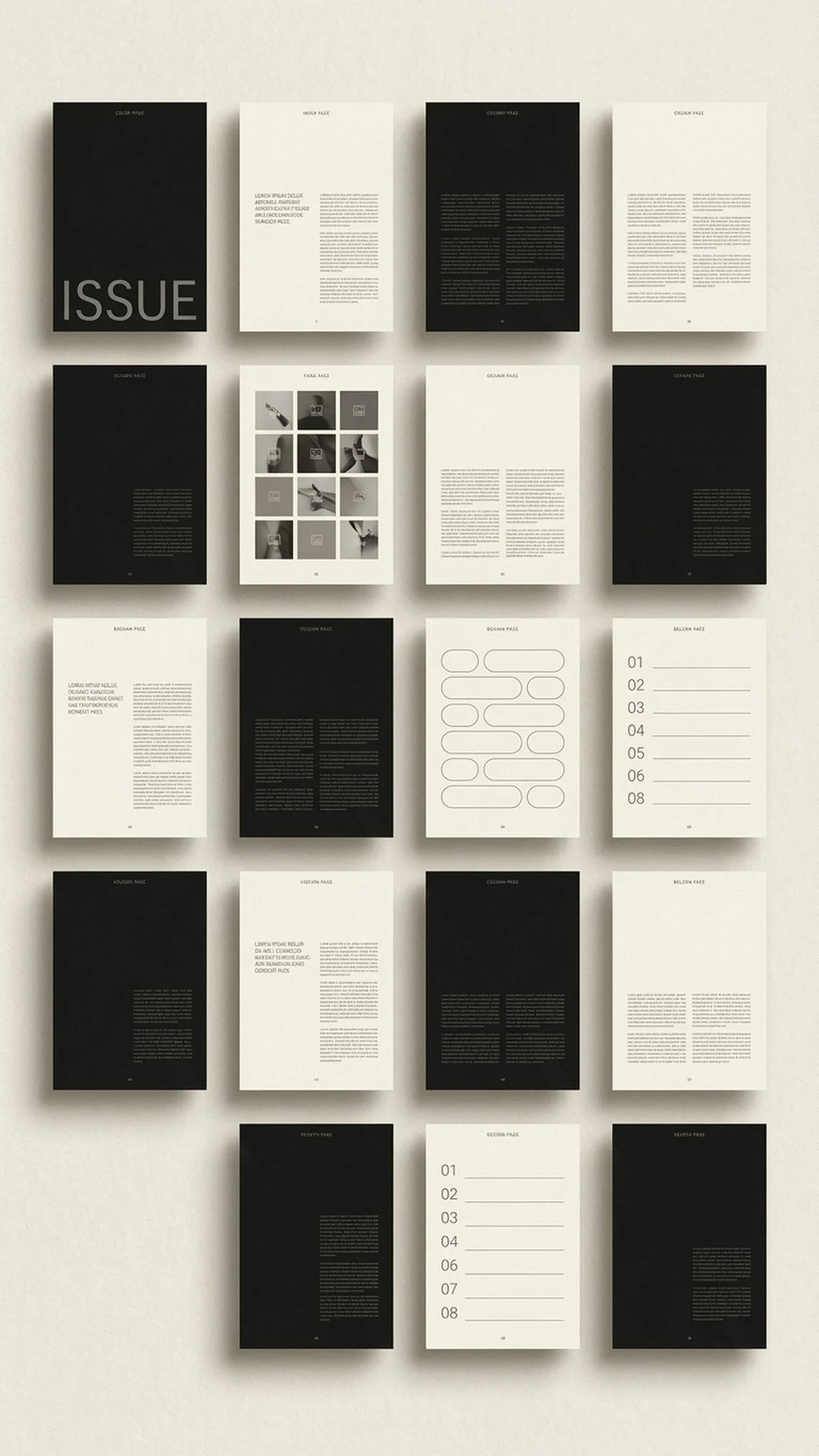
Ebooks are still one of the cleanest digital products on the internet — no inventory, no shipping, built once and sold forever. The catch was always the work. This Designrr tutorial breaks down how to create ebooks to sell online in minutes instead of days, how the AI enhance feature actually works, and where to list them so people actually buy.

AI can now do in 30 minutes what used to take a freelancer five hours. Most local businesses still have no idea how to use it. That gap is a business — and it's called an AI arbitrage agency. Here's the whole model: the four services worth selling, what to charge for each, the tool stack that costs under $150 a month, and how to land your first client.

Gumroad has moved over $1 billion in creator sales, and it can get a digital product live in under an hour with no website and no code. But the fees are not what the homepage says, the Discover marketplace quietly takes 30%, and payouts do not always land on time. Here is what selling digital products on Gumroad actually pays in 2026.

Pinterest has 619 million monthly users and most of them are already in shopping mode. Pair that search traffic with Amazon Associates and you have an affiliate setup that needs no face, no following, and no ad budget. Here’s the full step-by-step: joining Amazon Associates, grabbing your link with SiteStripe, building pins in Canva, and posting them so they actually get clicked.

User Interviews promises $50 to $150 an hour just for sharing your opinion. The platform has paid out $57 million since 2015, so the money is real — but the advertised rate and the rate you actually take home are two different numbers. Here's the honest breakdown: what you get paid, the qualification rate nobody mentions, and who lands the high-paying studies.

Anthropic quietly shipped a tab that runs entire jobs on its own — you give it a goal, point it at a folder, and walk away. Almost nobody outside tech has figured out how to sell services around it yet. Here are five real ways to make money with Claude Cowork in 2026, plus the two warnings nobody mentions.
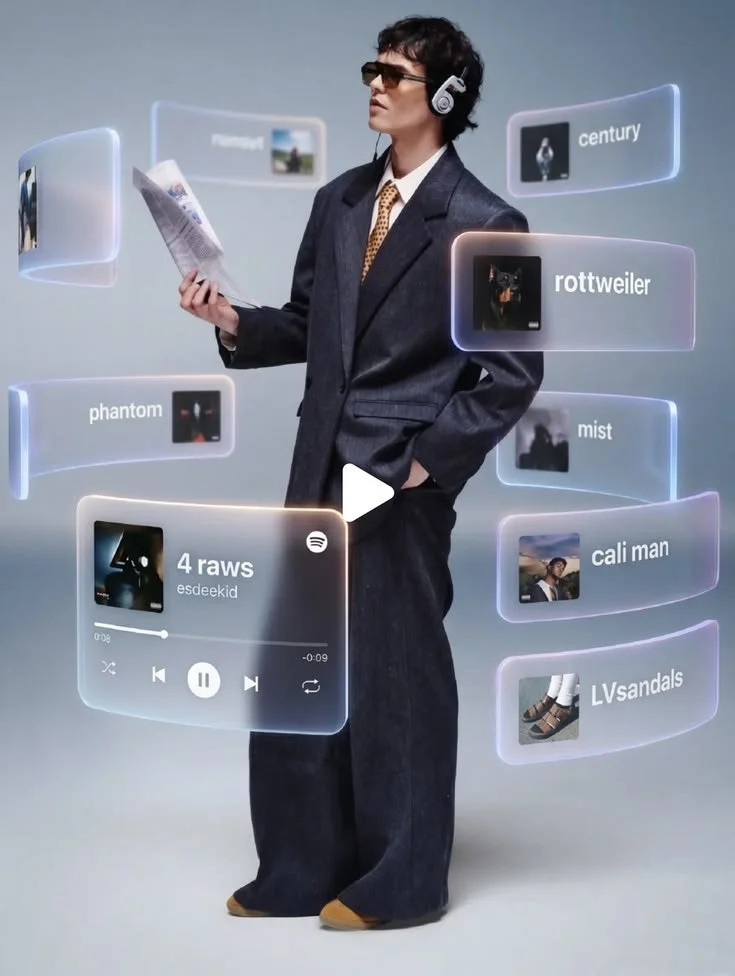
Suno writes a finished song in under a minute. Turning that into income is a completely different skill, and almost nobody explains it properly. There are three real ways to make money with Suno AI music in 2026 - a niche music channel, licensing your catalog, and selling custom commissions - each with its own ceiling, its own timeline, and its own way of quietly failing. Here’s the honest breakdown, including the copyright and disclosure traps that can kill your earnings before you see a dollar.

PixVerse isn’t the highest-resolution AI video generator on the market — and that was never the point. It renders a clip in under a minute for less money per generation than most competitors, and that speed-plus-price combo unlocks three money methods slower tools simply can’t support. Here’s the honest breakdown: what actually works, what it really costs, and where your credits quietly disappear.

Claude and ChatGPT both cost $20 a month in 2026, and most comparisons online are sponsored fluff. We ran both through the same seven tasks — writing, coding, research, reasoning, image generation, computer use and memory — with no brand loyalty attached. The benchmarks are closer than the internet thinks. The real gap shows up somewhere nobody screenshots. Here's the honest breakdown.